The Importance of Air Quality in Industrial Settings
In industrial environments, air is more than just something people breathe. It powers tools, moves products, supports production lines, protects sensitive processes, and helps keep facilities running day in and day out. Because of that, air quality should never be treated like an afterthought.
For many manufacturers, processors, and industrial facilities, compressed air is often called the “fourth utility,” right alongside electricity, water, and gas. But here’s the catch: while compressed air is essential, it can also carry contaminants if it is not properly treated, monitored, and tested.
That is where compressed air quality becomes a big deal.
Poor air quality can impact equipment life, production consistency, product safety, energy efficiency, and even compliance requirements. On the flip side, clean, properly maintained compressed air can help facilities reduce risk, avoid costly downtime, and keep operations moving smoothly.
For companies that rely on compressed air systems, services like compressed air purification and professional air testing services are not just nice to have. They are part of a smart maintenance and quality control strategy.
Cullum & Brown helps industrial facilities better understand and manage their air systems, including offering XtremeAir Testing through Gardner Denver. For facilities that need confidence in their compressed air quality, testing is one of the best places to start.
Why Air Quality Matters in Industrial Facilities
Industrial air quality affects far more than the air inside a building. In many facilities, compressed air touches critical areas of production. It may come into direct or indirect contact with equipment, tools, packaging, materials, or finished products.
When air is clean and properly controlled, it supports dependable operation. When it is contaminated, it can create headaches fast.
Common air quality concerns include:
- Moisture
- Oil vapor
- Particulates
- Microorganisms
- Pipe scale
- Dirt and dust
- Chemical contaminants
Even small amounts of contamination can cause problems over time. Moisture can lead to corrosion. Oil carryover can affect product quality. Particles can clog valves, damage pneumatic tools, and reduce system performance. In sensitive industries, contamination can lead to rejected products, failed audits, or expensive rework.
In other words, clean air is not just about comfort. It is about control.
Industrial facilities depend on consistency. When compressed air quality changes, production quality can change too. That can lead to unpredictable results, and nobody wants to troubleshoot a mysterious production issue only to discover the compressed air system was part of the problem all along.
The Role of Compressed Air in Industrial Operations
Compressed air systems are used across a wide range of industries, from manufacturing and food processing to pharmaceuticals, automotive, plastics, packaging, and general industrial applications.
Compressed air may be used for:
- Pneumatic tools
- Air-operated valves
- Conveying systems
- Spray applications
- Product drying
- Packaging equipment
- Instrument air
- Cleaning and blow-off applications
- Process control systems
Because compressed air is so widely used, its quality can have a ripple effect across the entire facility. One issue in the air system can affect several departments, machines, or production lines.
That is why compressed air quality should be evaluated as part of regular plant maintenance. It is not enough to simply produce compressed air. Facilities need to know whether that air is clean, dry, and suitable for the application.
What Happens When Industrial Air Quality Is Poor?
Poor air quality can show up in different ways. Sometimes, the signs are obvious. Other times, they are sneaky and easy to blame on something else.
A facility may notice equipment problems, inconsistent production, unexplained defects, or rising maintenance costs. In some cases, the compressed air system may seem to be working just fine, while contamination is quietly creating long-term damage.
Here are a few common problems linked to poor compressed air quality.
Equipment Wear and Damage
Compressed air contaminants can shorten the life of tools, valves, cylinders, and other pneumatic components. Moisture can cause rust and corrosion, while particles can wear down internal surfaces.
Over time, this can lead to more frequent repairs, unplanned shutdowns, and higher replacement costs. A clean air system helps protect the equipment your operation depends on.
Product Contamination
In industries where compressed air comes into contact with products or packaging, air quality becomes especially important. Oil, moisture, and particulates can compromise product integrity.
This is particularly important in food and beverage, pharmaceutical, medical device, electronics, and precision manufacturing environments. Even when compressed air contact is indirect, contamination can still create quality risks.
Reduced Production Efficiency
When air quality is poor, systems may have to work harder. Filters may clog faster. Valves may stick. Tools may lose performance. Operators may experience more interruptions.
All of that adds up. A small air quality issue can turn into wasted time, wasted energy, and lost productivity.
Higher Maintenance Costs
Contaminated air can increase the need for maintenance throughout the plant. Instead of solving the root cause, teams may find themselves repeatedly replacing components or cleaning up after recurring issues.
Regular air testing services can help identify contamination before it turns into a bigger problem.
Understanding Compressed Air Quality
Compressed air quality refers to the cleanliness and condition of compressed air used in a facility. It is often evaluated based on the presence of contaminants such as particles, water, and oil.
The right level of compressed air quality depends on the application. Not every facility needs the same level of air purity. For example, air used for general shop tools may have different requirements than air used in food packaging or pharmaceutical production.
That is why testing matters.
Without proper air testing, it is hard to know what is actually happening inside your compressed air system. The air may look clean, but contaminants are not always visible. Moisture, oil vapor, and microscopic particles can still be present.
Professional testing helps facilities understand whether their air meets the needs of their process. It also helps identify whether additional compressed air purification may be needed.
What Is Compressed Air Purification?
Compressed air purification is the process of removing contaminants from compressed air before it reaches the point of use.
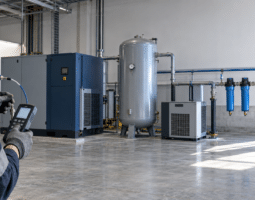
A compressed air purification system may include:
- Coalescing filters
- Particulate filters
- Activated carbon filters
- Refrigerated dryers
- Desiccant dryers
- Mist eliminators
- Condensate management equipment
- Point-of-use filtration
The goal is simple: deliver cleaner, drier, more reliable air where it is needed.
However, compressed air purification is not a one-size-fits-all solution. The right setup depends on the facility, application, required air quality level, and operating conditions.
For example, a plant struggling with moisture may need a different solution than a facility dealing with oil vapor or particulate contamination. In some cases, multiple purification technologies may be needed to achieve the desired results.
This is where expert guidance can save time and money. Instead of guessing, facilities can use air testing services to understand their current air quality and make smarter decisions about system improvements.
Why Air Testing Services Are So Important
Air testing services give facilities a clear picture of what is happening inside their compressed air system. Rather than relying on assumptions, testing provides useful data that can guide maintenance, purification, and compliance decisions.
Industrial facilities may use air testing services to:
- Verify compressed air quality
- Identify contamination sources
- Support quality control programs
- Prepare for audits
- Monitor system performance
- Confirm purification equipment is working properly
- Reduce risk in sensitive applications
- Establish a baseline for future testing
Think of air testing like a health check for your compressed air system. You may not see a problem on the surface, but testing can reveal issues before they lead to downtime, defects, or equipment damage.
Regular testing can also help facilities track changes over time. If air quality begins to decline, maintenance teams can respond before the issue gets out of hand.
Cullum & Brown Offers XtremeAir Testing Through Gardner Denver
Cullum & Brown supports industrial facilities with air testing solutions, including XtremeAir Testing through Gardner Denver. This service helps companies better understand the quality of their compressed air and identify potential concerns within their system.
For facilities that rely on compressed air for production, packaging, instrumentation, or process applications, XtremeAir Testing can be a valuable step toward better system reliability and quality control.
Testing can help answer important questions, such as:
- Is moisture present in the compressed air system?
- Are oil or particulate contaminants affecting air quality?
- Is the current filtration or drying equipment performing as expected?
- Does the facility need additional compressed air purification?
- Is the air suitable for the intended application?
By working with Cullum & Brown, facilities can take a more proactive approach to compressed air quality instead of waiting for problems to appear.
Industries That Benefit From Better Air Quality
Nearly every industrial facility can benefit from cleaner compressed air, but some industries face especially high air quality demands.
Food and Beverage
In food and beverage environments, compressed air may be used near ingredients, packaging, or finished products. Poor air quality can create contamination risks, making air testing and purification especially important.
Pharmaceutical and Medical Manufacturing
Sensitive production environments require tight process control. Clean, reliable compressed air helps support product integrity and consistent manufacturing conditions.
Automotive Manufacturing
Automotive facilities often use compressed air for tools, painting, assembly, and automation. Moisture or oil contamination can affect finishes, equipment performance, and production efficiency.
Electronics Manufacturing
Electronics production can be sensitive to particles and moisture. Cleaner compressed air helps protect delicate components and maintain quality standards.
General Manufacturing
Even in less sensitive environments, compressed air quality still matters. Cleaner air can reduce equipment wear, improve tool performance, and lower maintenance costs.
Signs Your Facility May Need Air Quality Testing
Some facilities schedule air testing as part of preventive maintenance. Others begin testing after noticing signs of a problem.
Your facility may benefit from professional air testing services if you are seeing:
- Water in air lines
- Oil residue near points of use
- Frequent filter changes
- Corrosion in piping or equipment
- Product defects or quality complaints
- Pneumatic tool issues
- Unexplained equipment failures
- Pressure drops or inconsistent performance
- Concerns before an audit or inspection
- Questions about whether your air meets application needs
Even if everything seems fine, testing can still be worthwhile. It provides peace of mind and helps your team make informed decisions about compressed air purification, maintenance, and system upgrades.
The Cost of Ignoring Air Quality
It is easy to overlook compressed air quality when production is running. After all, if the system is producing air, everything must be fine, right?
Not exactly.
Ignoring air quality can lead to hidden costs that build over time. Contaminated compressed air may damage equipment, increase energy use, reduce productivity, and create quality issues. In sensitive industries, the cost of one contamination-related problem can be far greater than the cost of routine testing and maintenance.
Poor air quality may also cause teams to spend time treating symptoms instead of solving the root cause. Replacing damaged parts, clearing clogged filters, or troubleshooting production problems can become a never-ending cycle.
Air testing helps break that cycle. It gives maintenance and operations teams the information they need to make targeted improvements.
How Often Should Industrial Facilities Test Air Quality?
The right testing schedule depends on the facility, industry, application, and risk level. Some facilities may need periodic testing as part of a quality program, while others may test after system changes, equipment installation, or production concerns.
Air quality testing may be helpful:
- After installing a new compressor
- After adding dryers or filters
- Before or after system upgrades
- During preventive maintenance reviews
- Before quality audits
- When product quality issues appear
- When contamination is suspected
- On a regular schedule for critical applications
Facilities with sensitive processes may need more frequent testing than those using compressed air for general utility purposes.
The best approach is to work with an experienced compressed air provider who understands both the equipment and the application. Cullum & Brown can help facilities evaluate their needs and determine whether XtremeAir Testing through Gardner Denver is the right fit.
Building a Better Air Quality Strategy
A strong industrial air quality strategy starts with awareness. Facilities need to know how compressed air is being used, where it contacts products or equipment, and what level of air quality is required.
From there, teams can take practical steps to improve air quality and system reliability.
A smart strategy may include:
- Reviewing compressed air applications throughout the facility
- Identifying critical points of use
- Testing compressed air quality
- Maintaining filters and dryers
- Checking for moisture, oil, and particulate contamination
- Upgrading compressed air purification equipment when needed
- Creating a regular testing schedule
- Working with a knowledgeable compressed air partner
The goal is not just cleaner air. The goal is a more reliable, efficient, and controlled operation.
Partner With Cullum & Brown for Industrial Air Quality Support
Industrial air quality affects equipment, products, processes, and people. Whether your facility is dealing with moisture, oil, particulates, or unknown contamination concerns, compressed air quality deserves attention.
With air testing services like XtremeAir Testing through Gardner Denver, Cullum & Brown helps industrial facilities gain valuable insight into their compressed air systems. Testing can reveal hidden problems, support better maintenance decisions, and help determine whether compressed air purification improvements are needed.
Clean compressed air does not happen by accident. It takes the right equipment, regular maintenance, and reliable testing.
If your facility depends on compressed air, now is a good time to take a closer look at what is moving through your lines. Better air quality can mean better performance, fewer surprises, and greater confidence in your operation.
Ready to learn more about air quality, compressed air quality, compressed air purification, or air testing services? Contact Cullum & Brown to ask about XtremeAir Testing through Gardner Denver and find out how your facility can take the next step toward cleaner, more reliable compressed air.
FAQ
Why is air quality important in industrial settings?
Air quality is important because compressed air often supports equipment, production processes, packaging, and product quality. Poor air quality can lead to contamination, downtime, equipment wear, and higher maintenance costs.
What affects compressed air quality?
Compressed air quality can be affected by moisture, oil, particulates, dirt, pipe scale, and other contaminants. These issues may come from intake air, the compressor, piping, or inadequate filtration and drying.
What is compressed air purification?
Compressed air purification is the process of removing contaminants from compressed air using filters, dryers, separators, and other treatment equipment. The goal is to deliver cleaner, drier air for industrial applications.
How do air testing services help?
Air testing services help identify contaminants in a compressed air system. Testing provides useful data so facilities can make informed decisions about maintenance, filtration, drying, and system improvements.