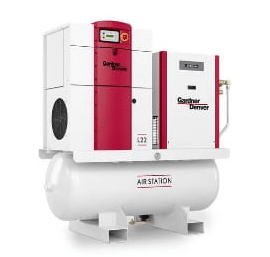
Winter conditions are tough on industrial equipment, and as temperatures drop, air compressors must work harder to maintain pressure as the risk of moisture freezing inside lines increases significantly. Routine winter maintenance helps prevent costly downtime, protects internal components, and ensures consistent production. Cullum & Brown supports industrial clients across Missouri, Kansas, Colorado, Wyoming, and Montana with comprehensive winterization strategies and preventative maintenance programs.
Impact of Cold Weather
Understanding the operating threshold of your equipment is the first step in prevention. Optimal performance for most air compressors degrades when ambient temperatures fall below 41°F. At these lower temperatures, moisture naturally present in compressed air can freeze, blocking control lines and damaging valves. Additionally, lubricant viscosity changes in the cold, forcing the motor to work harder during startup. Without preparation, these factors can lead to seized units and cracked components.
Managing Lubrication and Oil
Cold weather thickens compressor oil, turning it into a sludge that makes ignition difficult and increases wear on the motor. Before the deep freeze sets in, ensure oil levels are adequate and the fluid is in good condition. In colder regions like Wyoming or Montana, it may be necessary to switch to a lower-viscosity synthetic oil designed for low-temperature operations. Proper lubrication reduces strain on the motor and helps prevent the unit from tripping the overload protector during cold starts.
Condensate and Drain Systems
Frozen condensate is the most common cause of winter compressor failure. If water traps in a drain line and freezes, it can expand and crack piping or back up liquid into air tools. Inspect all automatic tank drains and dryer drains to ensure they are functioning correctly. For units installed in unheated rooms or outdoors, verify that cabinet heaters are operational and consider installing heat trace tape on exposed condensate lines to prevent blockages.
Winter Maintenance Checklist
A proactive approach reduces the risk of emergency shutdowns. Use this checklist to prepare your system for winter operation:
- Check oil viscosity and switch to winter-grade if necessary
- Inspect and test automatic tank drains
- Verify function of cabinet heaters and heat trace tape
- Clear snow and ice from air intake vents
- Test air dryers for proper dew point performance
- Check for air leaks that force the compressor to run longer
Monitoring System Performance
Monitoring the compressor during operation can reveal issues before they cause a shutdown. Watch for short-cycling, which may indicate ice buildup in control lines, and listen for unusual noise during startup. If the unit struggles to turn over or trips a breaker immediately, thick oil or internal friction is likely the cause. Tracking these performance metrics helps identify when a system is struggling with the ambient temperature.
Common Winter Issues
- Frozen condensate blocking pipes or valves
- Thickened oil causing motor overload trips
- Ice buildup on intake vents starving the unit of air
- Cracked control lines due to expanding ice
When to Call for Service
If a compressor refuses to start, runs with excessive noise, or allows water into the downstream air lines, professional attention is required. Attempting to force a frozen unit to run can cause catastrophic damage to the pump or motor. Cullum & Brown’s trained technicians provide diagnostics and repair for major compressor brands, helping you address winter-related damage quickly.
Reliable Air Power Through Winter
Preventive care is the best defense against winter downtime. Cullum & Brown delivers expert service and maintenance tailored to the specific climates of the Midwest and Mountain West regions. Whether you need a seasonal system audit or emergency repair, our team helps keep your air compressor operating reliably regardless of the weather. Contact us today to get started!